Does Decaf Coffee Make You Poop?
Decaf coffee can make you poop, through the same gastrin-driven colon contractions and chlorogenic acids that regular coffee relies on, just at a measurably weaker strength. A 1998 study found caffeinated coffee stimulates colon activity 23% more than decaf, and milk or cream added to either cup can add its own separate, lactose-driven trigger. Excessive intake or an empty stomach can push that mild effect toward diarrhea for sensitive drinkers, though it isn't the norm.
Does Decaf Coffee Cause Bowel Movements?
Yes, decaf coffee can cause bowel movements by stimulating gastrin release and colon contractions. Its effect is typically milder than regular coffee, according to Cleveland Clinic gastroenterologist Christine Lee, MD.
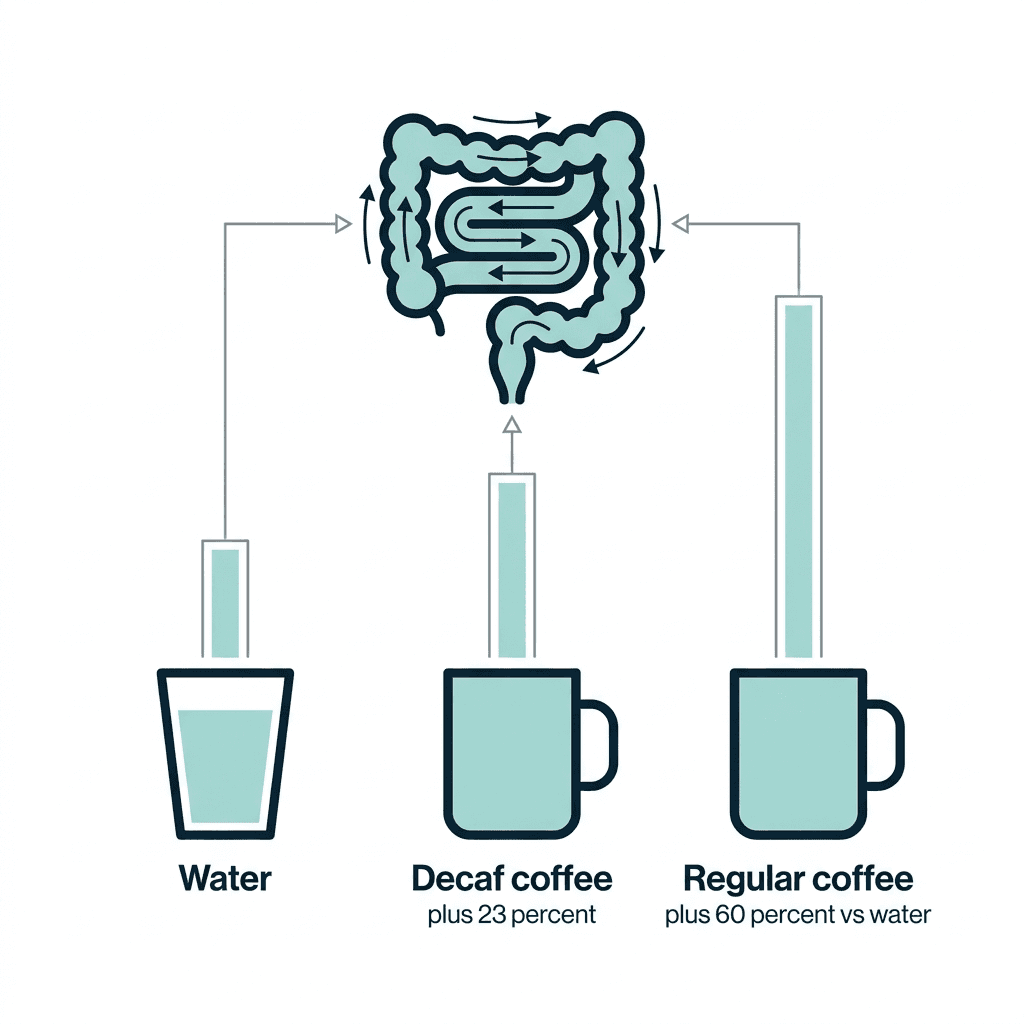
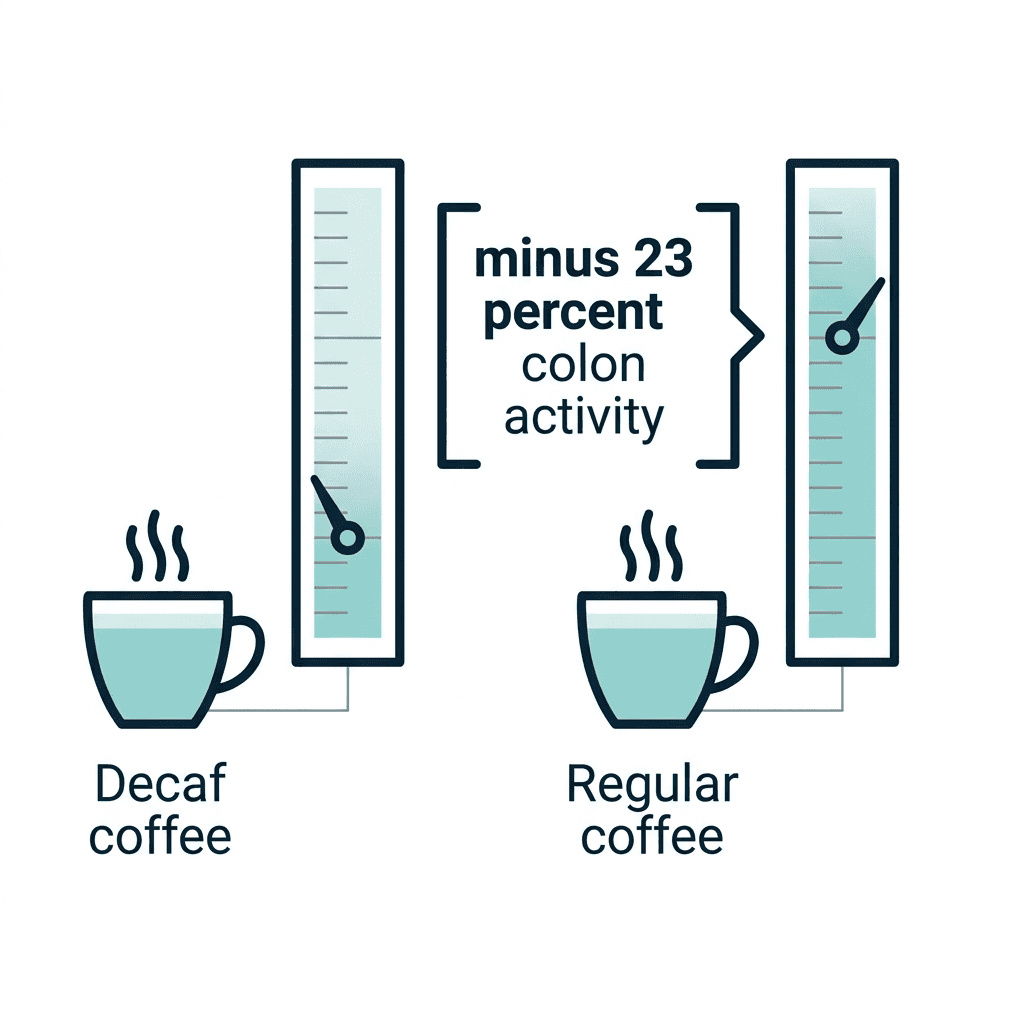
A 1998 University of Iowa study by Satish Rao and colleagues found that caffeinated coffee stimulated colon activity 60% more than water and 23% more than decaf coffee. Decaf coffee also stimulated more colon activity than water. A separate 2015 study of colon-surgery patients found decaf had a significant effect on bowel-movement recovery in postoperative ileus, compared with both caffeinated coffee and water. So yes, decaf coffee can make you poop. Acids in decaf coffee trigger gastrin, a hormone that stimulates stomach contractions.
What in Decaf Coffee Triggers the Urge to Poop?
Decaf coffee can trigger bowel movements by stimulating gastrin and cholecystokinin (CCK), digestive hormones linked to gastrointestinal activity. Chlorogenic acids and the gastrocolic response to drinking a warm beverage may also contribute independently of caffeine.
Coffee, caffeinated or decaf, stimulates gastrin release. Gastrin drives involuntary muscle contractions in the stomach. Coffee also stimulates CCK, which triggers bile release from the gallbladder and enzyme release from the pancreas, per Cleveland Clinic and Zoe's nutrition team. Chlorogenic acids, present in both regular and decaf coffee, independently increase stomach acid production and speed digestion. Even the drink's temperature plays a role: its warmth alone can trigger the gastrocolic reflex, a wave of intestinal movement that happens whether or not caffeine is present.
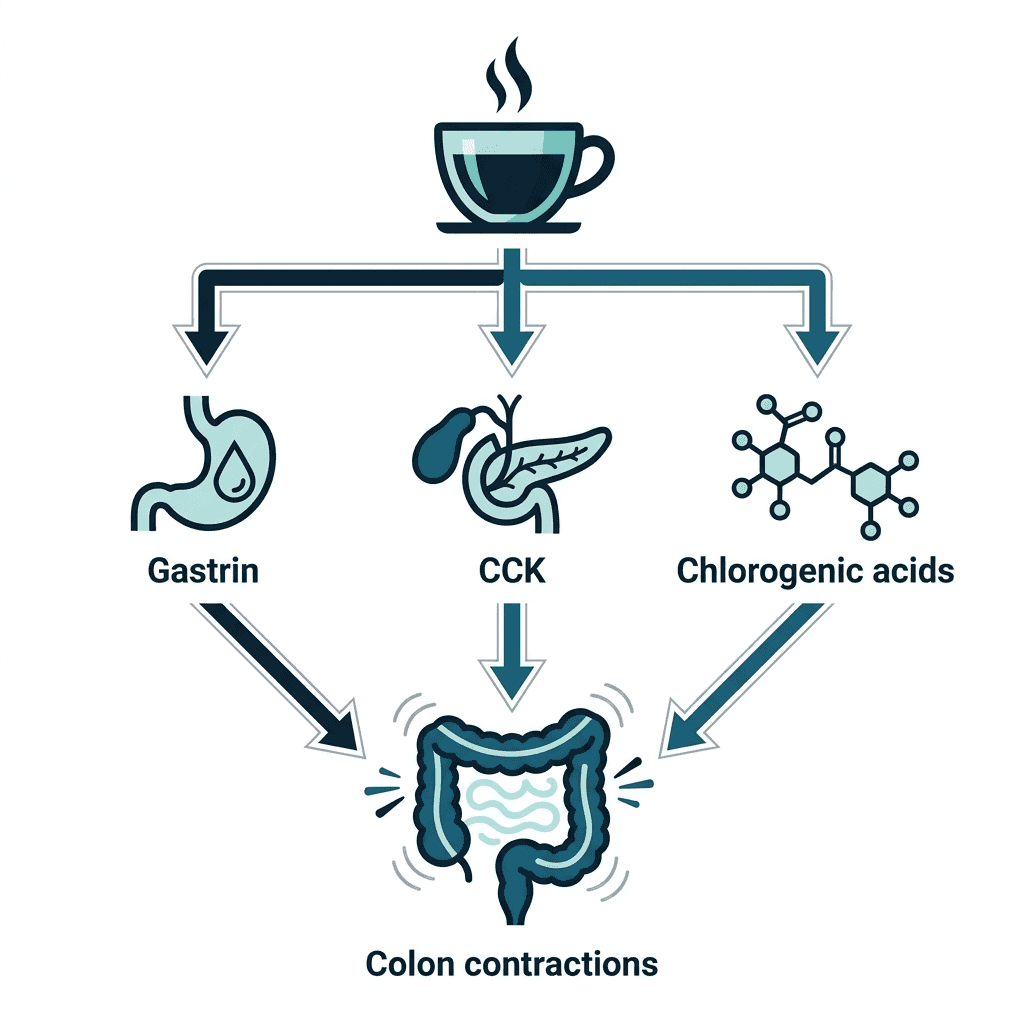
The elements that can trigger the urge to go to the bathroom are listed below:
- Gastrin
- Cholecystokinin (CCK)
- Chlorogenic acids
- Warm temperature of coffee
1. Gastrin
Gastrin is a digestive hormone released by the stomach that stimulates acid production and muscle activity in the gut. Coffee, caffeinated or decaf, prompts the stomach to release gastrin, which in turn drives involuntary contractions in the stomach and colon. That contraction is a direct mechanical push behind the urge to poop after a cup of decaf.
2. Cholecystokinin (CCK)
Cholecystokinin (CCK) is a digestive hormone released by the small intestine that triggers bile release from the gallbladder and enzyme release from the pancreas. Decaf coffee stimulates CCK release because caffeine is not the only coffee compound involved. CCK promotes bile release and pancreatic enzyme secretion, which support digestion and may contribute to bowel activity.
3. Chlorogenic Acids
Chlorogenic acids are natural antioxidant compounds found in coffee beans that survive both roasting and decaffeination. They independently increase stomach acid production and speed up digestion, separate from anything caffeine does. Decaf retains most of its chlorogenic acids, so this pathway remains active after most caffeine is removed.
4. Warm Temperature of Coffee
Coffee's warmth can trigger the gastrocolic reflex independently of caffeine or acidity. This reflex increases intestinal movement after eating or drinking. Hot decaf can therefore stimulate the gastrocolic reflex without caffeine.
Is Decaf's Effect Weaker Than Regular Coffee's?
Yes. Decaf's digestive effect is measurably weaker than regular coffee's, but it is not absent, since decaf retains most of the non-caffeine compounds that drive the effect.
The 1998 University of Iowa study, "Is Coffee a Colonic Stimulant?," found that decaf coffee stimulated colon activity about 19% less effectively than caffeinated coffee under identical conditions. Decaf still prompts an urge to poop for many people, likely because other natural compounds in coffee, such as polyphenols, also stimulate gut movement even with far less caffeine present.
Does Milk or Cream in Decaf Increase the Urge?
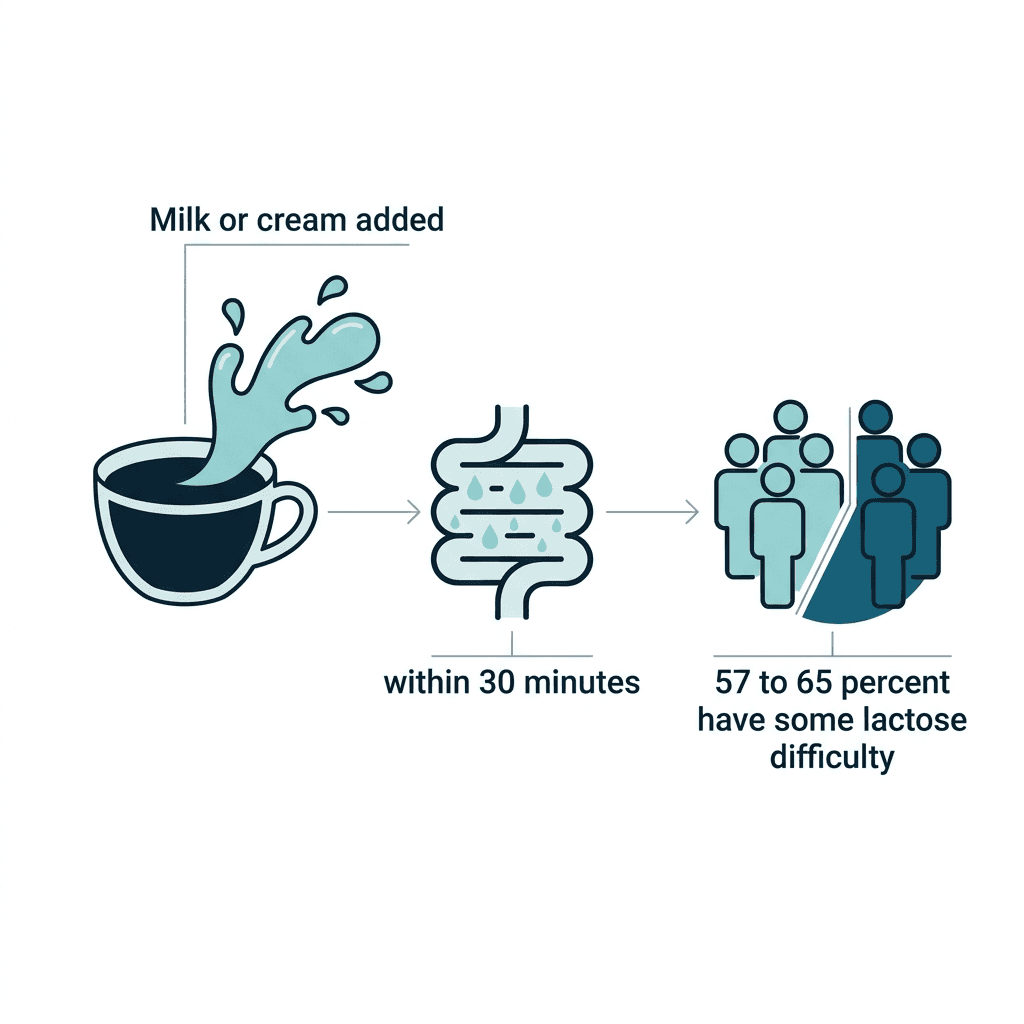
Yes, milk or cream in decaf can increase the urge to use the bathroom in people with lactose intolerance. Lactose can cause bloating, gas, abdominal cramps, and diarrhea within several hours of consumption. Decaf coffee may also stimulate bowel activity, so adding dairy can increase digestive symptoms in sensitive people.
An estimated 57% to 65% of people worldwide have some difficulty digesting lactose. Symptoms can appear within about 30 minutes of drinking milky or creamy decaf. High-fat additions like heavy cream compound the effect: they trigger extra release of digestive juices from the pancreas and gallbladder. That pulls more water into the small intestine and makes a bowel movement more likely.
Can Decaf Coffee Cause Diarrhea?
Decaf coffee can contribute to diarrhea in some people, though this isn't universal, and it usually takes excessive intake or an already-sensitive gut to trigger it rather than a single normal cup.
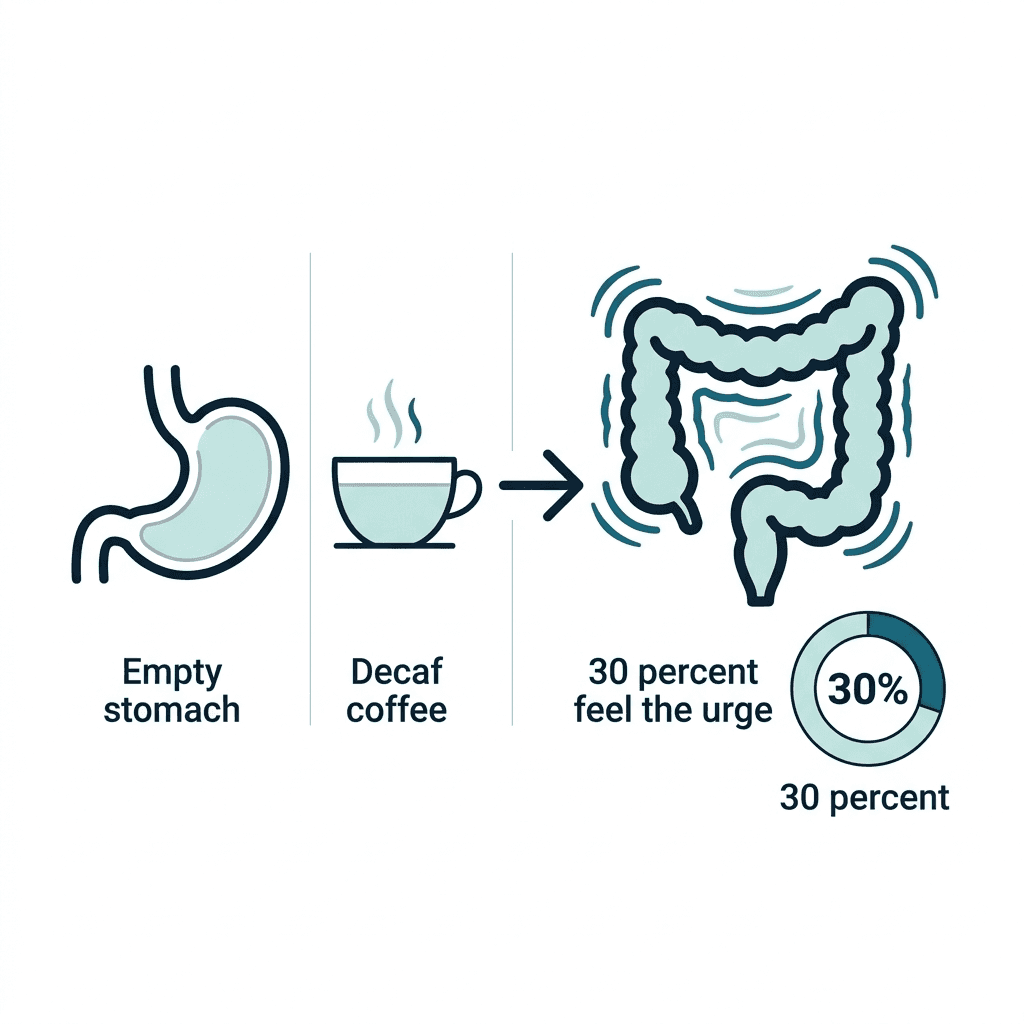
The International Foundation for Functional Gastrointestinal Disorders notes that excessive intake of any caffeinated drink, decaf included, may cause loose stools or diarrhea. The effect isn't universal: roughly 30% of people report needing to poop right after drinking coffee. Drinking decaf on an empty stomach makes the effect more pronounced. People with irritable bowel syndrome tend to notice worse cramping and bloating from it than others do.
Is Decaf a Diuretic or a Laxative?
Decaf behaves as a mild laxative, not a meaningful diuretic. Its own low caffeine content is the reason it clears the laxative threshold far more easily than the diuretic one.
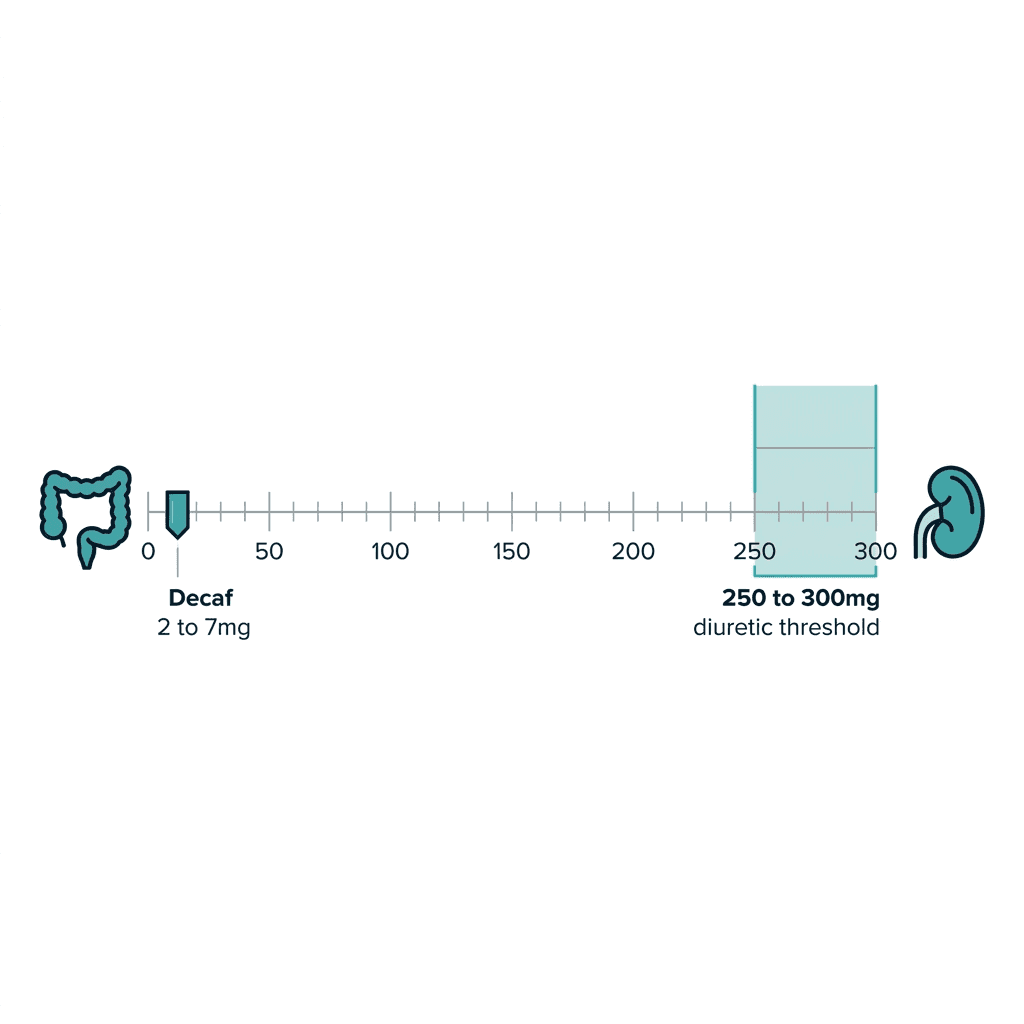
Research points to a threshold of roughly 250 to 300 milligrams (mg) of caffeine, about 2 to 3 cups of regular coffee, before a meaningful diuretic effect occurs. Decaf's 2 mg to 7 mg of caffeine per cup falls far below that threshold. That's why decaf coffee, at about 98% water, is generally considered hydrating rather than dehydrating. The same small amount of caffeine and coffee's other compounds is still enough, though, to nudge the colon toward a bowel movement.
How Soon After Decaf Do You Feel the Urge?
The urge can arrive within minutes of drinking decaf, especially in the morning, when the body's digestive rhythm is already primed to respond.
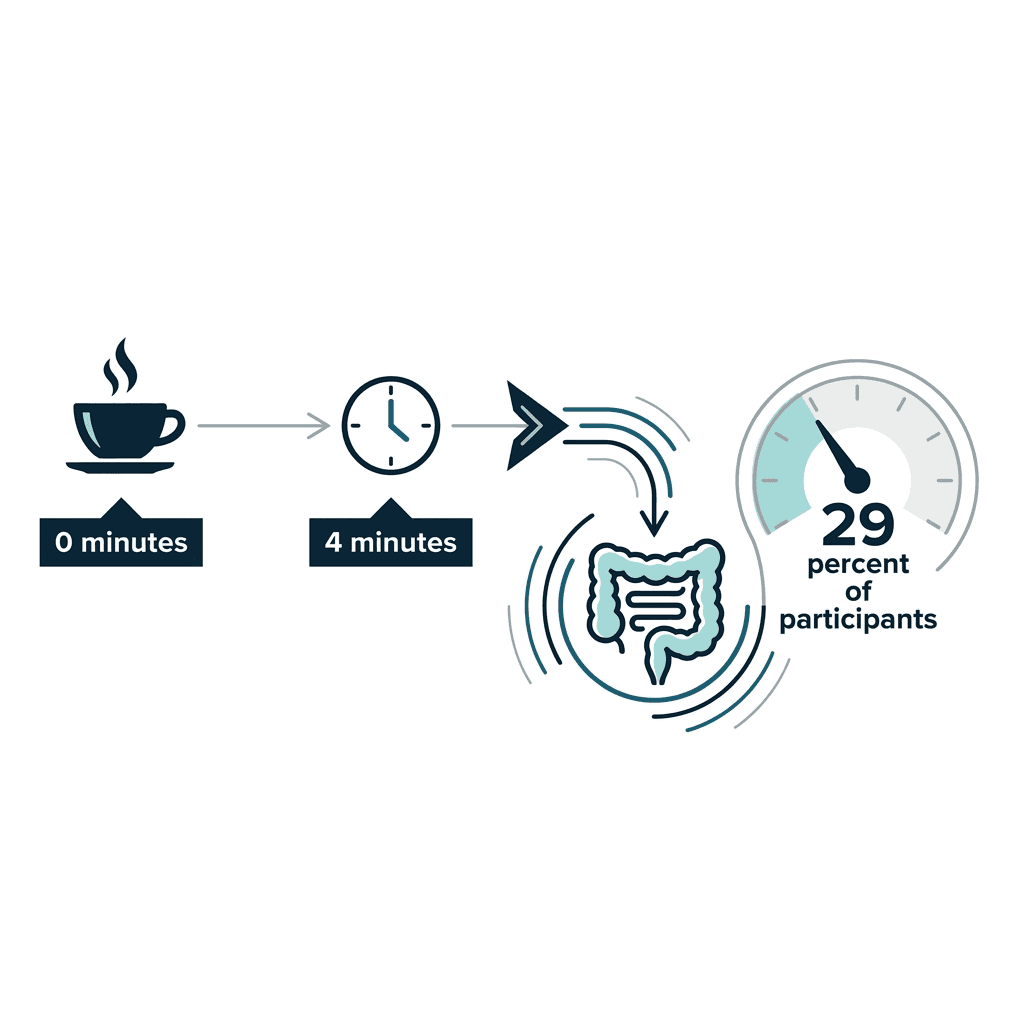
A 1990 study at Royal Hallamshire Hospital measured rectosigmoid motility, the movement at the junction of the lower colon and upper rectum. It increased within about four minutes in roughly 29% of participants who drank caffeinated or decaffeinated coffee; plain hot water produced no such effect. The gastrocolic reflex, which governs this response, is most active in the morning and right after meals. That's why a morning cup of decaf tends to produce the urge fastest.
How Can You Drink Decaf Without Stomach Urgency?
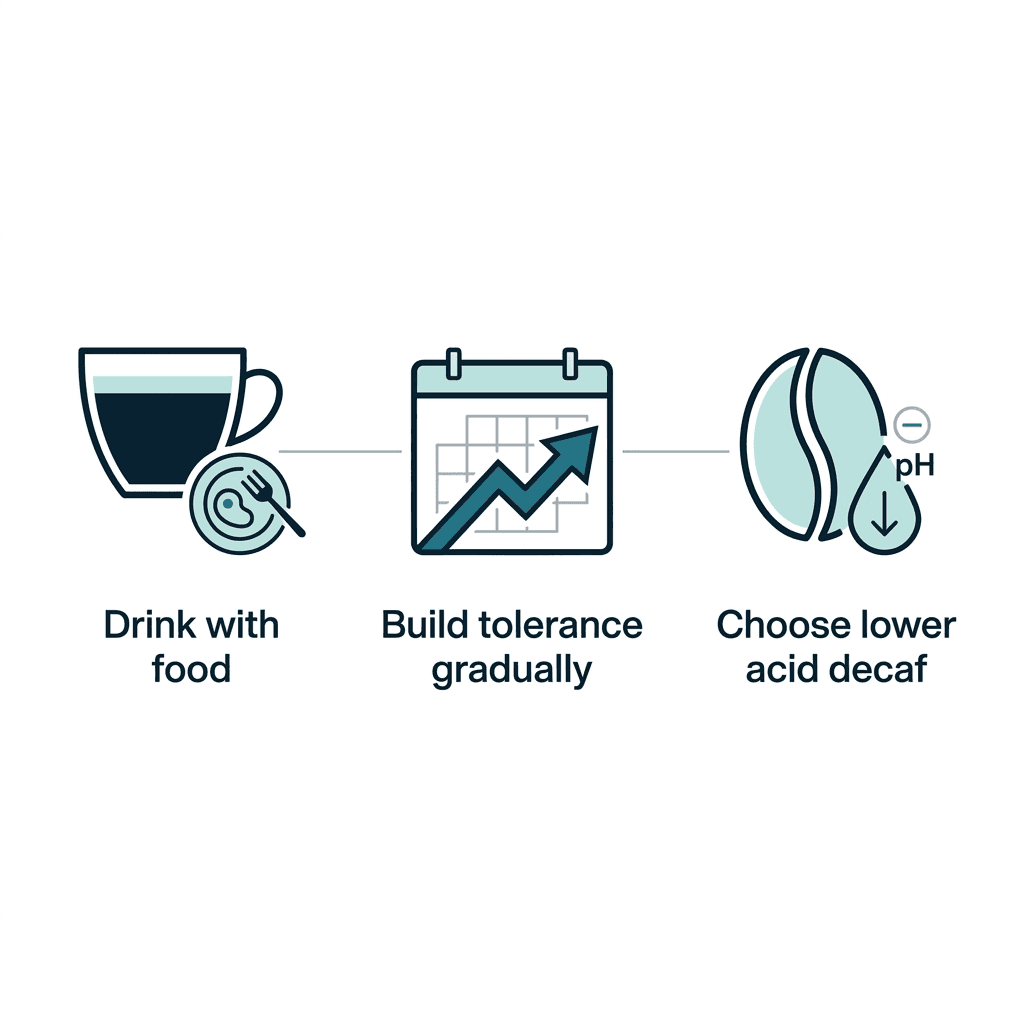
Drinking decaf with or after food, building tolerance gradually, and choosing a lower-acid decaf are the three most effective ways to reduce stomach urgency.
Having decaf after a small meal instead of on an empty stomach reduces rapid digestive stimulation, since food in the stomach blunts the acid and hormone response that triggers the urge. The body also builds some tolerance to coffee's laxative effect over time with regular, gradual intake. Choosing a gently processed, lower-acidity decaf, such as one made with the Swiss Water Process, is a commonly recommended way to reduce stomach irritation. It also lets you keep the coffee ritual.
Where to Buy Decaf Coffee That's Easy on Your Stomach?
Drink Decaf's single-origin decaf espresso is a strong option if stomach comfort matters as much as flavor, since it's decaffeinated with the Swiss Water Process and dark-roasted for lower acidity.
The beans are single-origin Arabica from the JUMARP El Palto Cooperative in northern Peru. They're decaffeinated chemical-free with the Swiss Water Process, which removes 99.9% of the caffeine with no solvent residue, then dark-roasted for a smoother, lower-acid cup with notes of dark chocolate, caramel, and blueberry. If you're ready to try genuinely great decaf, Drink Decaf's single-origin decaf espresso is roasted to order in Oceanside, CA and ships free across the United States (US).
Does Decaf's Acidity Play a Role in the Poop Effect?
Chlorogenic acid and other organic acids in decaf can irritate a sensitive gut independent of caffeine. How much acidity decaf actually retains, and whether it's genuinely less acidic than regular coffee, affects that irritation too.
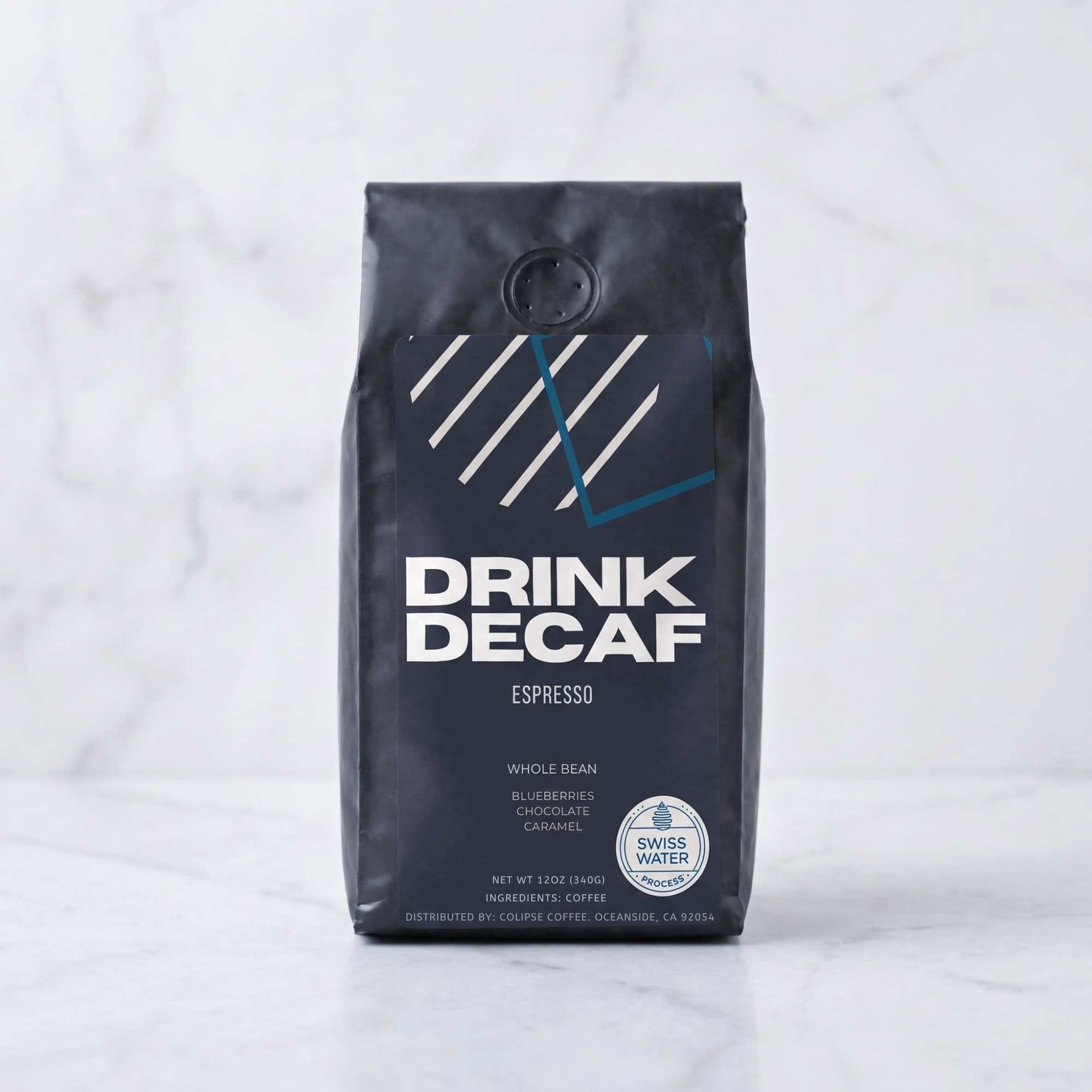
12 oz · Whole bean
Drink Decaf EspressoSpecialty grade. Swiss Water Process® decaffeinated. Roasted to order at our California roastery. Blueberry, chocolate, caramel.
Free shipping in the US