Does Decaf Coffee Help With Constipation?
Decaf coffee can help with constipation for some people, but the effect is weaker and less consistent than regular coffee's. Decaf still stimulates the gastrocolic reflex and triggers the same gastrin and cholecystokinin (CCK) release that regular coffee relies on, just less potently. Large National Health and Nutrition Examination Survey (NHANES) studies back this up: caffeinated coffee is consistently linked to lower constipation risk, while decaf shows no statistically significant effect on its own, so factors like timing, added milk, and overall hydration end up mattering more for decaf drinkers hoping for relief.
What is Constipation?
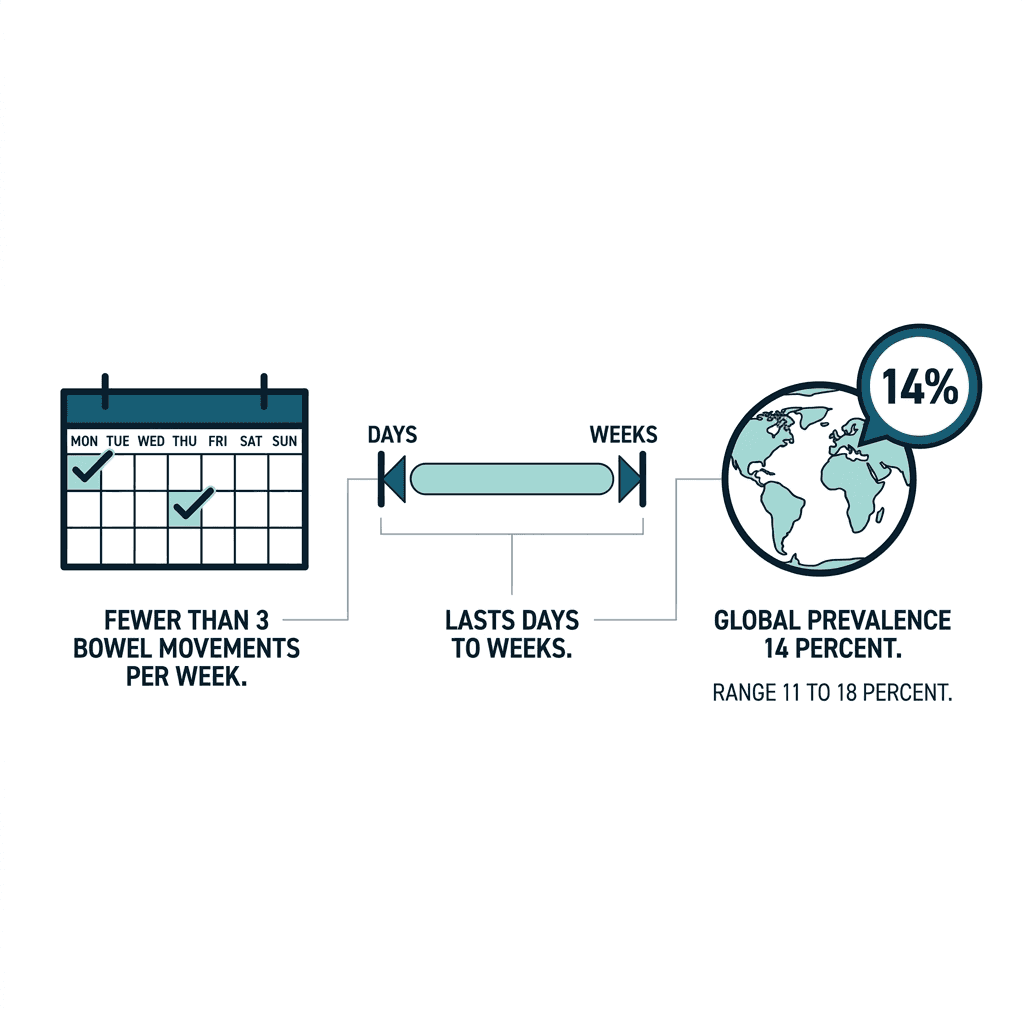
Constipation is a condition that causes infrequent or difficult bowel movements. The condition commonly involves fewer than three bowel movements per week, hard or dry stools, straining, or difficulty passing stool. Common causes include low fiber intake, inadequate fluids, limited physical activity, certain medications, and changes in routine.
Constipation can last from several days to weeks. The duration depends on the underlying cause. The condition affects people of all ages, though risk increases in older adults and during pregnancy. The National Health Service (NHS) states constipation is common and affects people of all ages. Mayo Clinic defines it generally as fewer than three stools a week. A 2011 systematic review by Suares and Ford found constipation prevalence near 14 percent worldwide. The review, published in the American Journal of Gastroenterology, put the range between about 11 percent and 18 percent.
Does Decaf Coffee Help with Constipation?
Yes, decaf coffee can help with constipation for some people, but the effect is weaker and less consistent than regular coffee's. Decaf still stimulates the gastrocolic reflex and triggers gastrin and CCK release, the hormones that activate colon muscles.
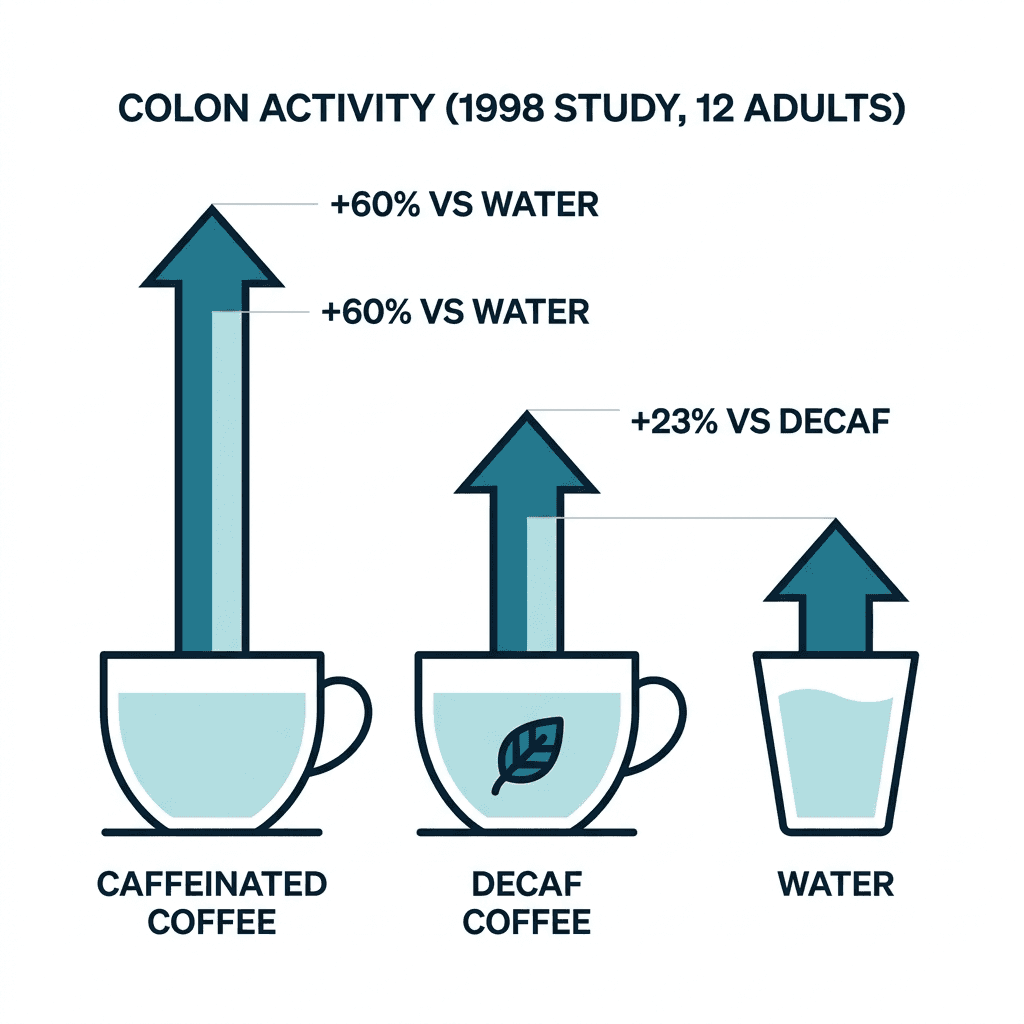
Two 2024 NHANES studies, each covering thousands of U.S. adults, found no statistically significant association between decaffeinated coffee intake and constipation risk, while caffeinated coffee consistently showed lower odds of constipation. A 1998 controlled study backs this up mechanically: caffeinated coffee stimulated colon activity 23% more than decaf and 60% more than plain water in the same 12 adults. Decaf isn't nothing, but the research points to caffeine as the stronger driver of the effect.
How Does Decaf Coffee Affect Your Bowels Compared to Regular Coffee?
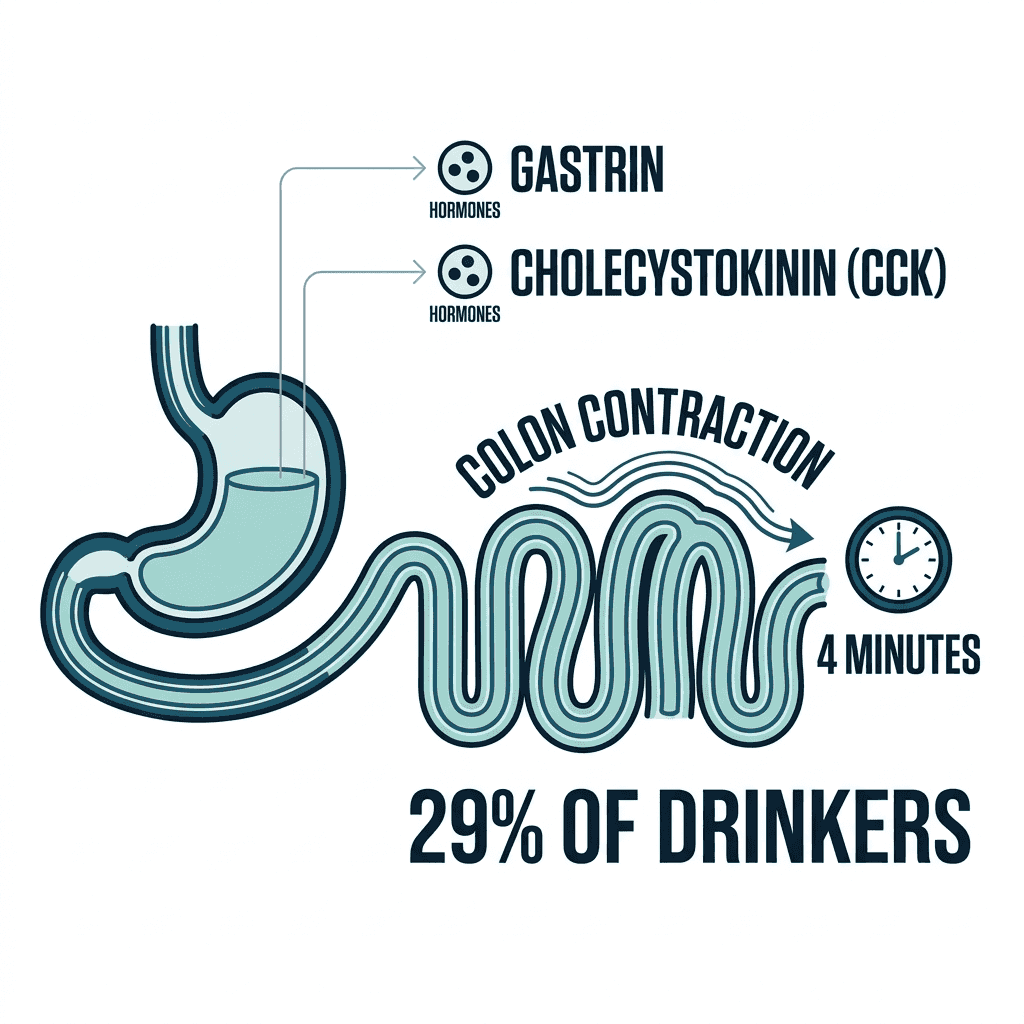
Decaf coffee affects your bowels through the same acids and hormones as regular coffee, just without caffeine's added stimulant boost. Both versions trigger gastrin release and rectosigmoid motility, but caffeinated coffee produces a stronger response.
A 1990 study found that both caffeinated and decaffeinated coffee increased motility at the junction of the lower colon and upper rectum, with the effect showing up within about 4 minutes in roughly 29% of participants. Plain hot water produced no such effect, which points to something in the coffee itself, not just its temperature or volume. Cleveland Clinic gastroenterologist Christine Lee, MD, describes decaf as "not as potent as its caffeinated counterpart, but it too has a laxative effect." Polyphenols like chlorogenic acid and caffeic acid appear to be doing much of that non-caffeine work. Those compounds stimulate gut muscle contractions on their own.
What Do Studies Say About Decaf Coffee and Constipation?
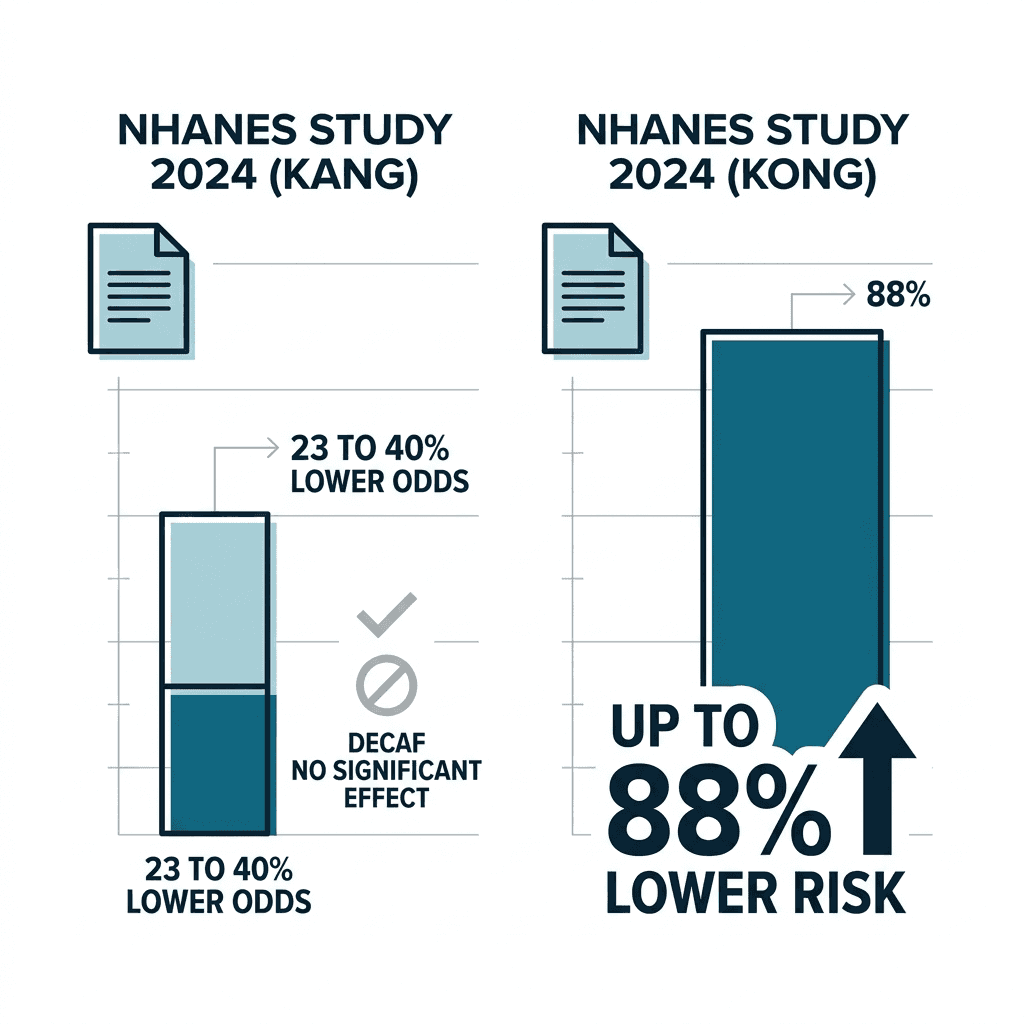
The two most relevant studies, both published in 2024 using NHANES data, found that decaf coffee showed no significant association with constipation risk, while caffeinated coffee did.
A study of 13,816 U.S. adults led by Yulong Kang found that people consuming 86 to 303 milligrams of caffeine daily had 23% to 40% lower odds of constipation than low-caffeine consumers, but decaf showed no comparable effect. A separate study of 7,844 adults led by Wanru Kong found a J-shaped relationship between total and caffeinated coffee intake and constipation risk, with the protective effect strongest (an 88% risk reduction) among people who never drink alcohol. Decaffeinated coffee, again, showed no significant association in any adjusted model. An earlier 1998 study of 12 adults measured the mechanism directly: caffeinated coffee triggered 60% more large-intestine activity than water and 23% more than decaf. The study used controlled doses of 150 milligrams of caffeine per cup.
Can Decaf Coffee Cause Constipation Instead of Relieving It?
No, decaf coffee is unlikely to cause constipation on its own, but it can contribute to it indirectly if it replaces water intake or is consumed in excess.
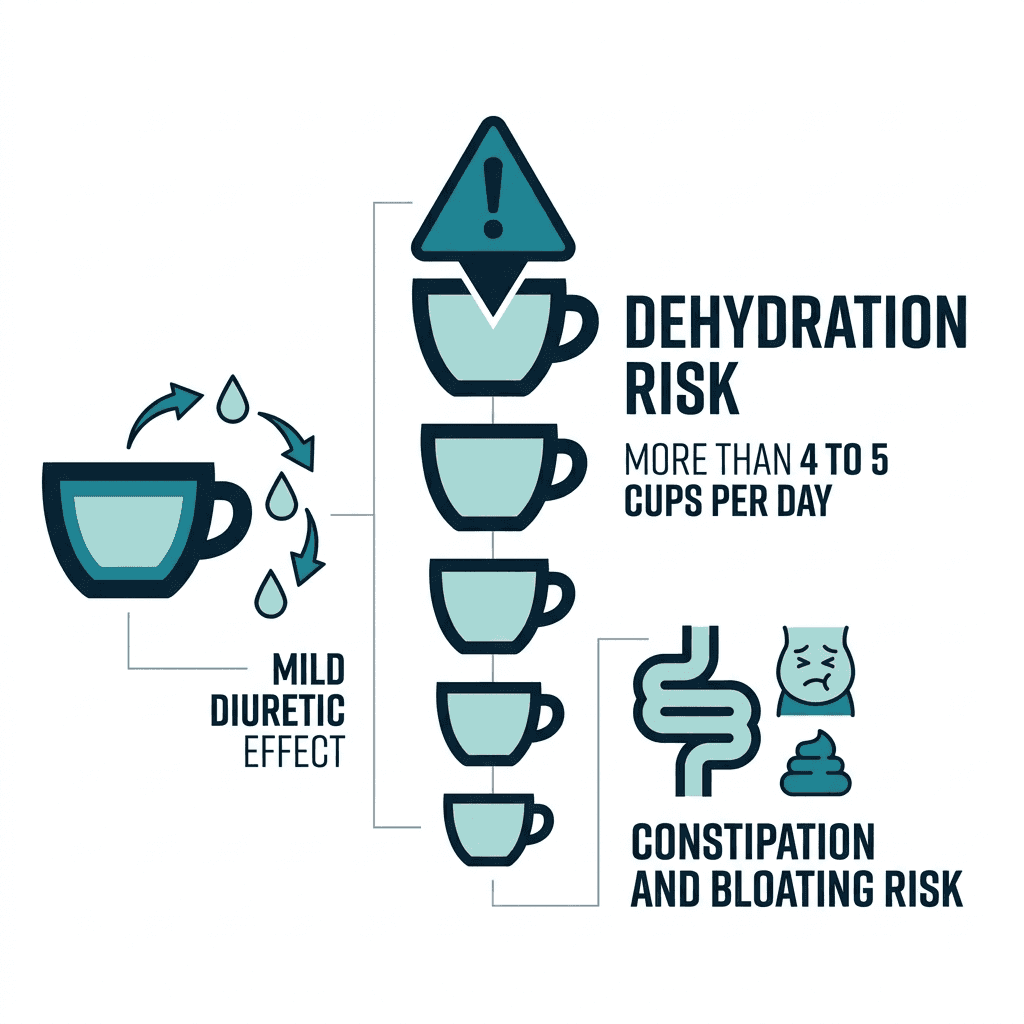
Coffee has a mild diuretic effect, so relying on it instead of plain water can leave the body under-hydrated, which makes stool harder to pass. For people with slow-transit constipation, the underlying issue is reduced colonic motility, not insufficient stimulation, so decaf's laxative effect may not be enough to help at all. Drinking more than four or five cups a day raises the odds of dehydration-related constipation and bloating for some individuals, regardless of whether the coffee is decaf or regular.
Does Adding Milk or Cream Change Decaf Coffee's Effect on Constipation?
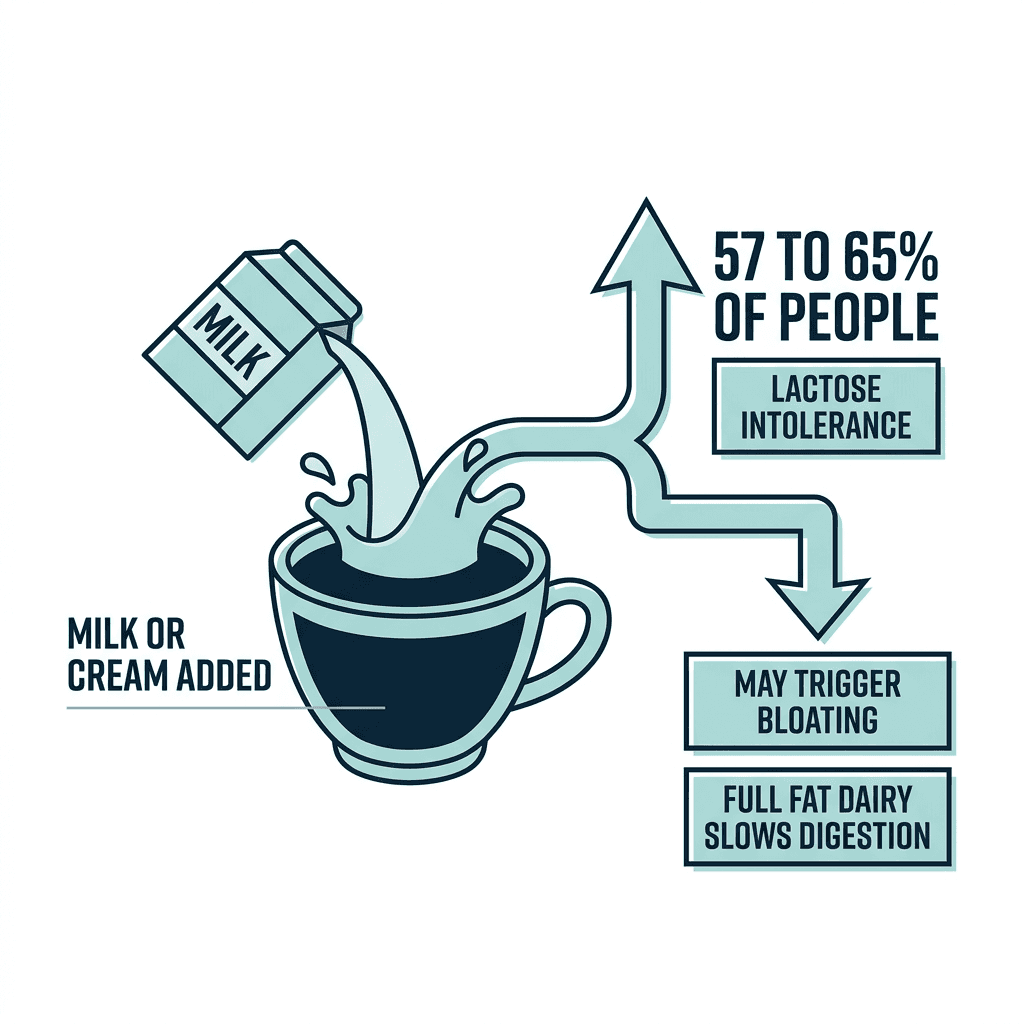
Yes, adding milk or cream can shift decaf coffee's effect on constipation in either direction. The direction depends on individual tolerance to lactose and fat.
An estimated 57% to 65% of people worldwide have some difficulty digesting lactose, and for them, dairy in coffee can trigger bloating, gas, or diarrhea rather than aiding regularity. Full-fat dairy can also slow digestion by reducing gut motility, partially offsetting decaf's own laxative effect. For most people, though, a small splash of milk or cream doesn't cause noticeable issues, even for many with mild lactose intolerance.
Who Should Avoid Using Decaf Coffee for Constipation Relief?
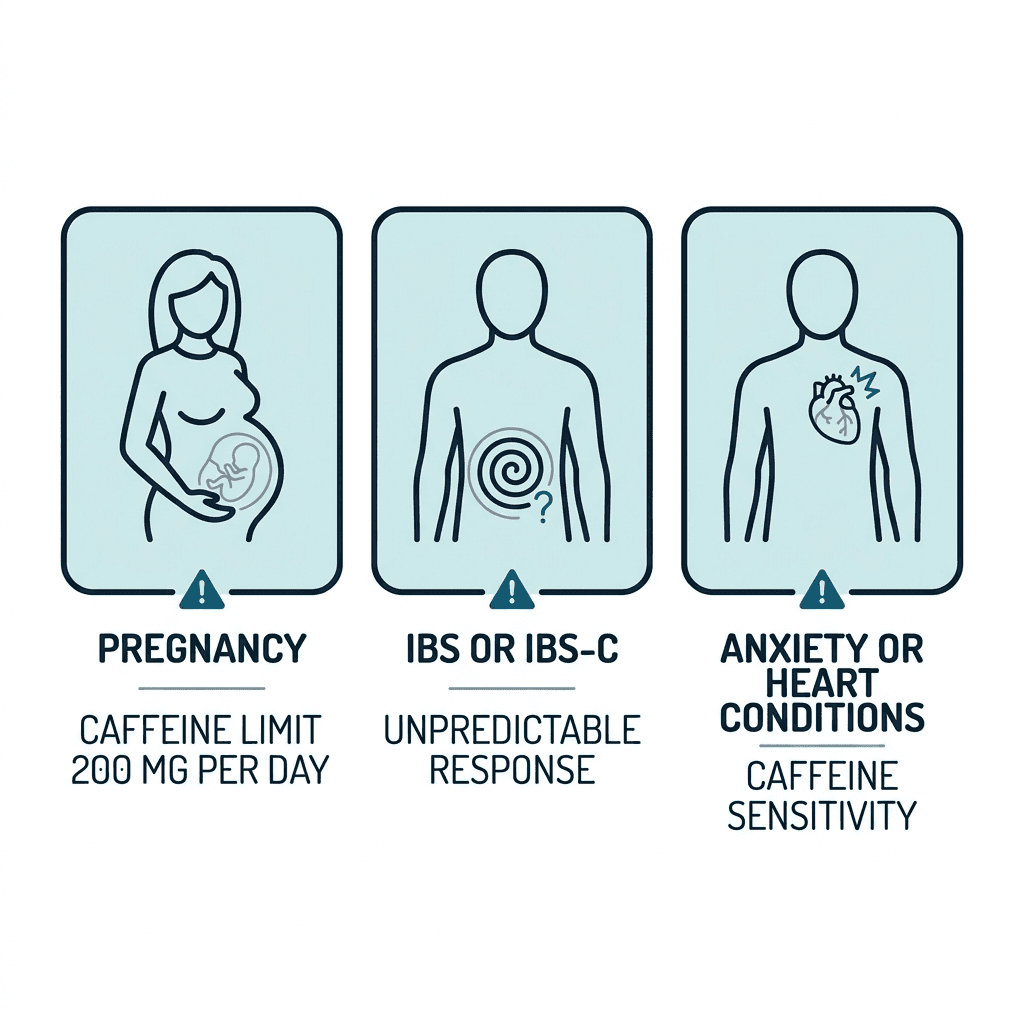
Pregnant individuals, people with irritable bowel syndrome (IBS) or IBS with constipation (IBS-C), and people with anxiety or heart conditions should be cautious about relying on decaf coffee for constipation relief.
Pregnant individuals are generally advised to keep caffeine intake under 200 milligrams a day; decaf's trace caffeine content stays well within that limit even across several cups. People with IBS or IBS-C have unpredictable responses to coffee, including decaf. Coffee can trigger cramping, urgency, or bloating in these individuals instead of controlled bowel movements. People with anxiety or existing heart conditions should also be aware that decaf isn't caffeine-free, and its remaining trace amount can still worsen symptoms in sensitive individuals.
How Long Does Decaf Coffee Take to Relieve Constipation?
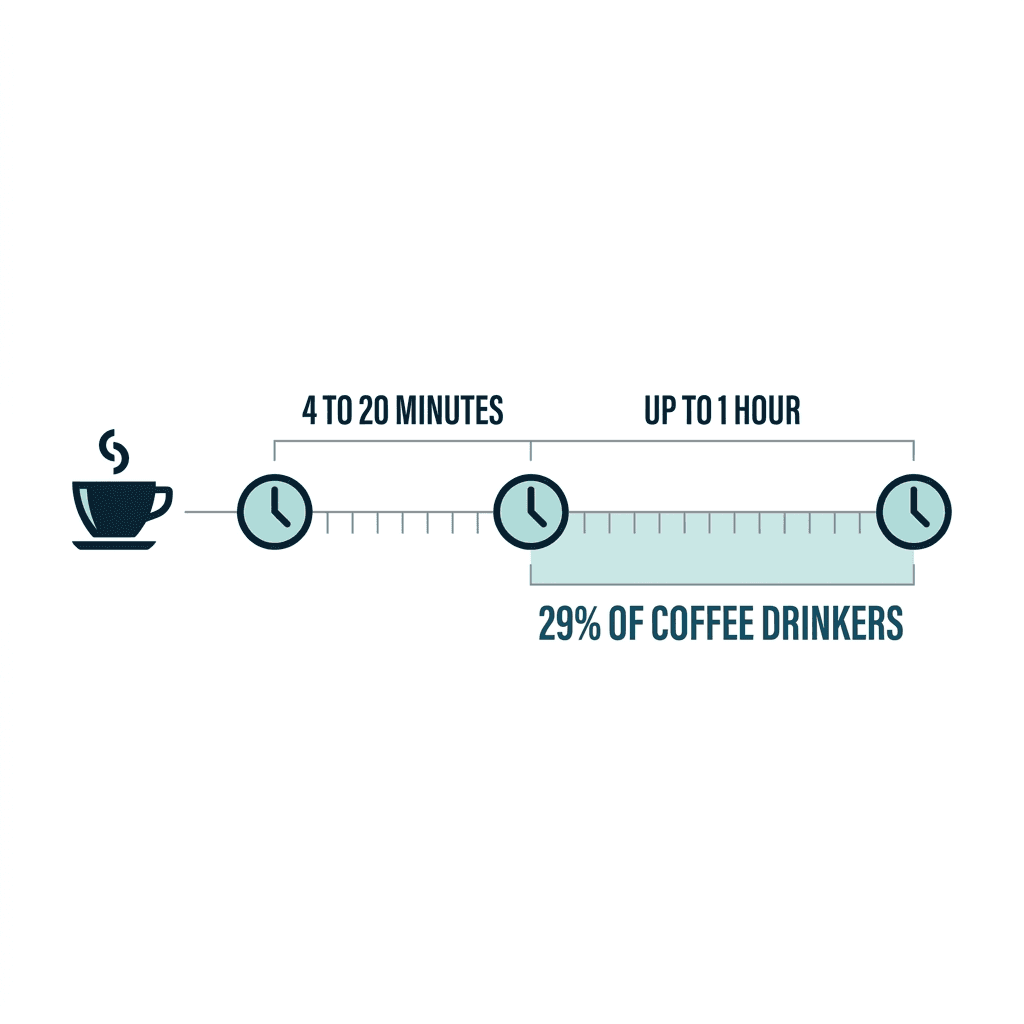
Decaf coffee can trigger the urge to go within 4 to 20 minutes for some people, though for others it may take up to an hour or produce no noticeable effect at all.
About 29% of coffee drinkers report a desire to poop after drinking coffee, sometimes in as little as four minutes, though this research doesn't isolate decaf's response time specifically from regular coffee's. Because decaf's effect is weaker than caffeinated coffee's, some people may find it takes longer to notice results, or may not notice a strong effect at all.
What's the Best Time to Drink Decaf Coffee for Constipation Relief?
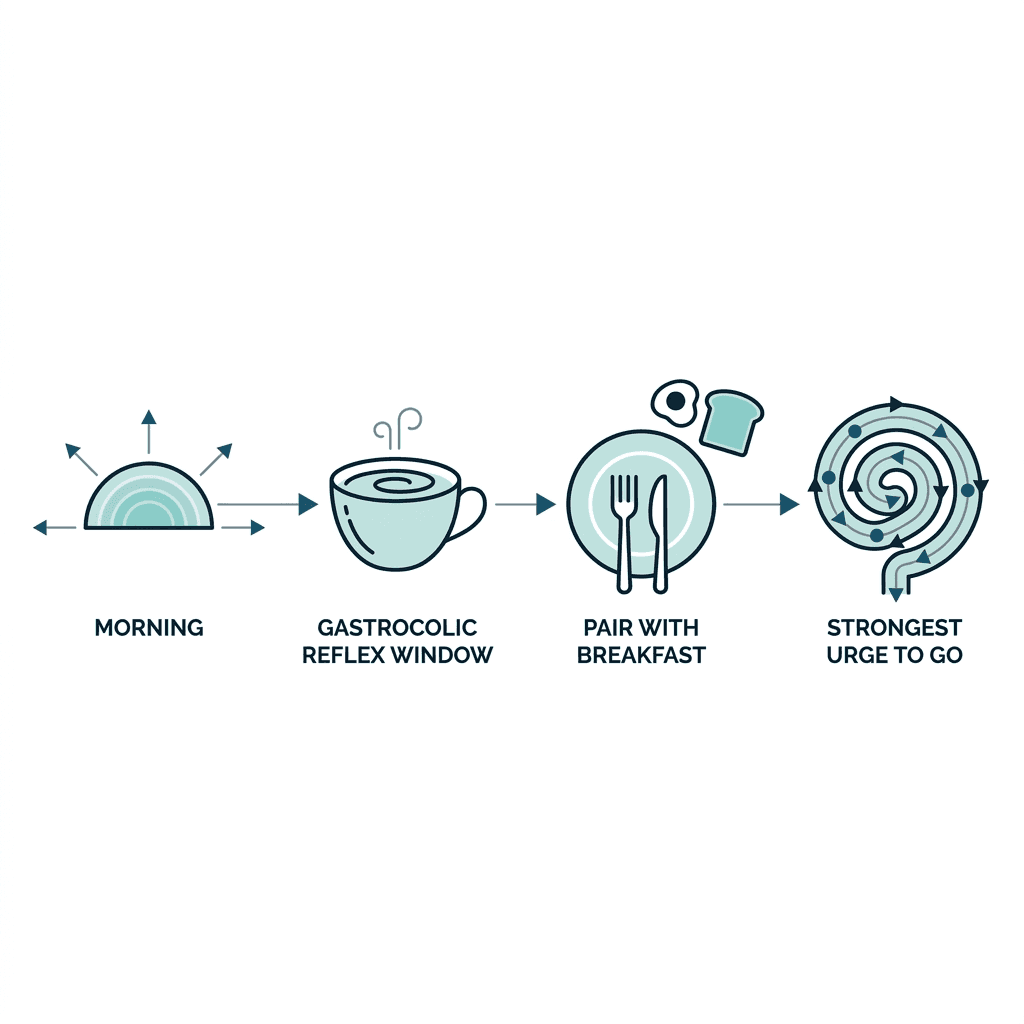
The best time to drink decaf coffee for constipation relief is in the morning or shortly after a meal, when the body's gastrocolic reflex is naturally most active.
The gastrocolic reflex, the wave of gut movement triggered by a stretched stomach after eating, is strongest in the morning and right after meals. Pairing a morning cup of decaf with breakfast, rather than drinking it on an empty stomach hours later, lines the coffee up with the body's own strongest urge-to-go window instead of working against it.
Does Decaf Coffee Make You Poop, on Its Own?
Decaf coffee triggering a bowel movement and decaf coffee relieving constipation are related but separate questions, since a single mild urge doesn't add up to reliable relief. The strength of that urge comes down to the same gastrin-driven mechanism covered in whether decaf coffee still makes you poop, just applied here to ongoing constipation rather than a single cup's effect.
What Coffee is Best for Constipation?
Regular, caffeinated coffee is the better choice if constipation relief is the main goal, since caffeine is the stronger driver of colon stimulation. Decaf still contains a small residual amount, and knowing what coffee is best for constipation starts with understanding how much caffeine actually survives decaffeination.
What's the Best Decaf Coffee for Constipation Relief?
If you're looking for a decaf that supports your routine without the caffeine jitters, Drink Decaf's single-origin decaf espresso is roasted to order in Oceanside, CA and ships free across the US. Shop the current batch of single-origin decaf espresso beans today.
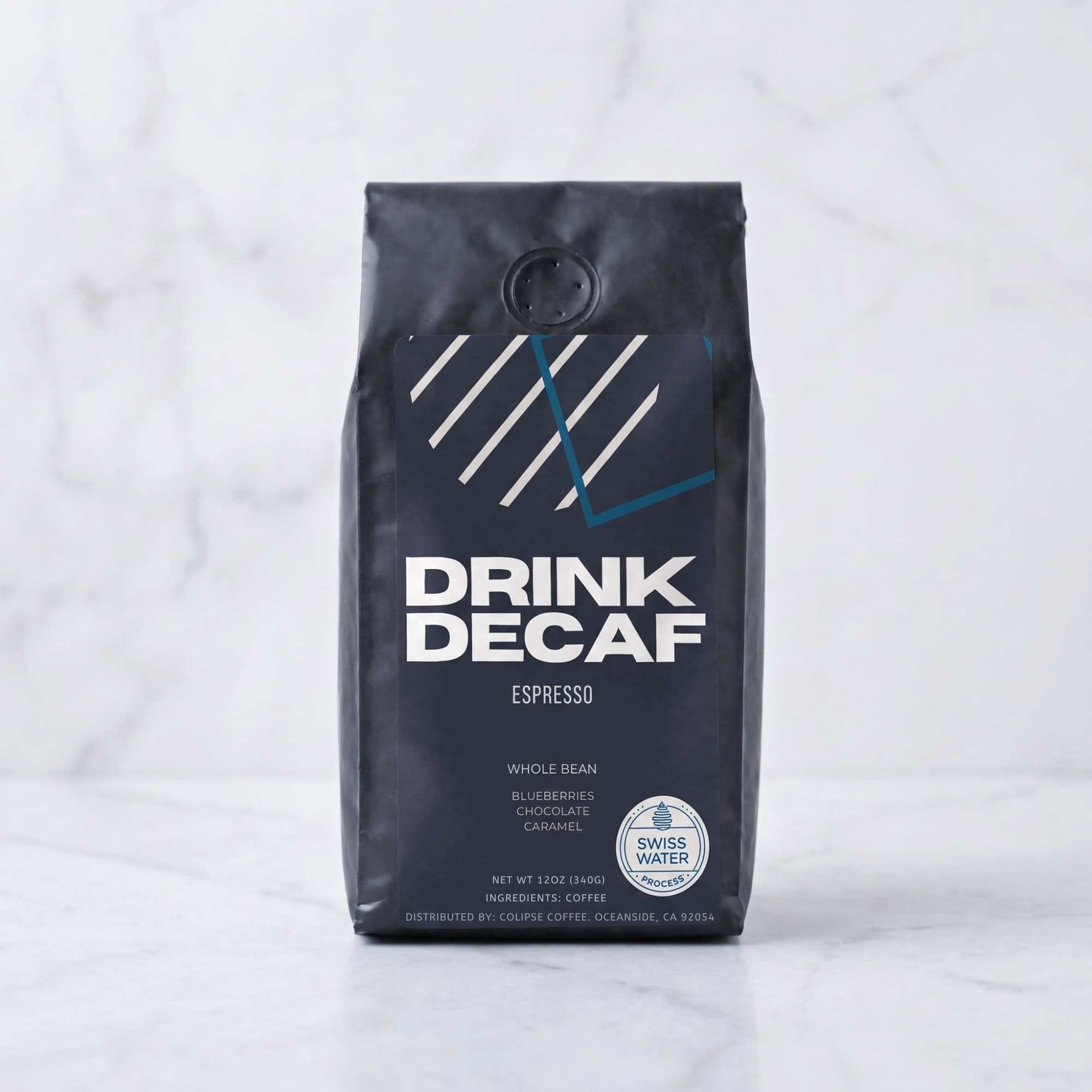
12 oz · Whole bean
Drink Decaf EspressoSpecialty grade. Swiss Water Process® decaffeinated. Roasted to order at our California roastery. Blueberry, chocolate, caramel.
Free shipping in the US